
Waylon Jennings Meets ZZ Top | Buffalo Larry & The Rhyolite Sound
Watch on YouTube
Subscribe for new episodes, Grit Sessions & more
Listen to this episode
In This Episode
There's something beautifully contradictory about Buffalo Larry. By day, he's a master stylist in Las Vegas, the kind of artist who's shaped the hair of everyone from Slash to Billy Gibbons. By night—or whenever the music calls—he's the driving force behind The Rhyolite Sound, a band that's been turning heads with a description so perfect it practically writes itself: "Waylon Jennings being backed by ZZ Top." It's the kind of comparison that makes you sit up and listen, and when you actually encounter Buffalo Larry's story, you understand why it fits.
Growing up on Harson's Island in Michigan, suspended between the mainland and Canada, Buffalo Larry developed the kind of rugged independence that informs everything he touches. He came to music early, learning drums from a genuinely surprising source—Vinnie Dombrowski, the lead singer of Nineties alt-rock outfit Sponge—and playing in his first band while still in high school under a band teacher who'd once played keys for Iron Butterfly. These weren't credentials that screamed "future country music innovator," but therein lies the magic of his journey. The Rhyolite Sound didn't emerge from Music Row or Nashville tradition. They emerged from Nevada, shaped by a man who approached both music and hair with the same philosophy: do it your way, do it well, and don't worry too much about what people expect.
I can't delude myself to thinking I'm going to be some famous musician at some point. I feel like I peaked as far as a musician and now we can kind of ride that for quite a while.
That philosophy extends to his day job in ways that reveal something deeper about artistic commitment. When asked about the challenges of juggling a thriving salon business with an increasingly demanding music career, Buffalo Larry doesn't shy away from the tension. He feels it acutely—the energy shift when his focus tips toward the band, the subtle resentment from his team, the knowledge that his salon career is what will ultimately fund his future. This is a man living in the real world, not a fantasy. He knows that the hair business keeps the lights on while the music feeds the soul. Most artists never articulate this friction so honestly.
But here's what's compelling: The Rhyolite Sound represents something worth the tension. Formed in Las Vegas in 2013, the band has been quietly building momentum by doing exactly what Buffalo Larry does in the salon—breaking norms and carving their own path. They're not trying to sound like anyone else. That "Waylon Jennings meets ZZ Top" comparison isn't a marketing slogan; it's a genuine attempt to describe what happens when honky-tonk grit meets blues-rock swagger, when traditional country sensibilities collide with something heavier, grittier, more contemporary. In an era of relentless genre categorization and algorithm-friendly consistency, that's radical.
A lot of my friends are working musicians and they don't even love music anymore. It's still very fun for me and a pretty good escape.
What makes The Rugged Revival's conversation with Buffalo Larry essential listening is precisely this authenticity. He's not a full-time musician giving you the sanitized backstory. He's a working professional who hairstyles celebrities, runs a business, and steals time for the music that truly moves him. When he talks about his early days doing janky basement tattoos on friends, or about his dad offering him a union electrician apprenticeship that he politely declined, you're getting the real story—not a carefully crafted narrative designed to sell albums.
The Rhyolite Sound's ambition to break the norms of what country music can be matters more now than ever. The genre has become increasingly bifurcated, split between mainstream Nashville pop-country and the genuine outliers fighting to exist in the margins. A band that genuinely sounds like Waylon Jennings being backed by ZZ Top—that defies easy categorization while drawing from real tradition—deserves your attention precisely because they're not trying to fit anyone's template.
If you haven't heard The Rhyolite Sound yet, the full episode is essential. Buffalo Larry's story—from a Michigan island kid to a Las Vegas salon owner to the frontman of one of the most intriguingly described bands in contemporary Americana—is exactly the kind of real music discovery that The Rugged Revival exists to highlight. This is what independent music actually looks like: artists who work real jobs, who understand compromise without abandoning vision, and who keep carving ahead anyway.
I'll help you. I'll help you start a [music] revolution for this Monday morning love situation. >> Hey, what's up everybody? This is Cam aka the Honky Tonk Hair Machine for the Rugged Revival podcast. Who am I with today? >> My name is Buffalo Larry from Las Vegas, Nevada. >> Buffalo Larry, thank you so much for carving out some time to sit with me. I do appreciate it. >> Thank you for having me. >> So, I like to ask everybody this first question, right? I feel like it kind of gives us a little peak behind the curtain. So, if you don't mind, just give us a give us a quick glimpse into you. Uh, where are you from originally and what was life like for you as a kid? >> So, I am originally from a small island in Michigan called Harson's Island. Um, we are in between Michigan and Canada. Um, [clears throat] it was a great place to grow up. I like to say I spent the first five years of my life naked and probably the last five years of my life mostly nakeds. Well, at least you're rocking a shirt now from what I can see. >> Yeah. No pants, though. >> Yeah. Perfect. So, uh, when when did you start playing music live? >> Um, I started in high school. I was in my first band. Um, my band teacher was actually the keyboardist from Iron Butterfly. And, uh, and then I learned uh to play drums from the lead singer of Sponge, Vinnie Dumbrossski. >> Nice. >> Yeah, >> that's awesome, dude. >> Yeah. Yeah. Um, so, uh, what what drew you to becoming a hair stylist? >> Well, um, I was a kid who didn't have a lot of options, you know. I was kind of I was kind of destined to be like a towny, you know, like I was not very ambitious as a kid. I just kind of figured I'd become [clears throat] a tattoo artist or something at some point. And my dad was a union electrician. And so, he offered to get me into the union and I wasn't really interested in that. But I always like did my own hair and I did some friends and stuff in high school. So he suggested that because then at least I'd have a career of some sort and then each job I got after that was better than the last. So I figured I was on the right path. >> Perfect. >> Well, uh, before I became a hair stylist, I was dabbling in tattooing. None of my friends escaped my wrath. Everybody Everybody's got some kind of like janky basement made tattoo from me. Uh if if you were hanging around with me around uh 2004 or five, you definitely got marked. >> Yeah, it's funny. I've uh I've asked my buddy Eddie if if I could apprentice him because I want to learn to tattoo. He's like, "No, because he wouldn't take it seriously." And he's right. I would just I would probably just tattoo my legs. >> Yeah. >> Well, and and you're so deep in your in your career at this point, too, you know? >> Right. Yeah. >> So, uh, take take me back a little bit. What was the first salon like that you worked at? >> Well, the first shop I worked at was actually a twochair barber shop in a small town in Michigan. And I worked there without a license, straight out of cosmetology school. Actually, I think I might have worked there while I was still in cosmetology school. And we were near a uh Air National Guard base. So, it was a lot of high tights, flat tops, stuff like that. He uh it was like the kind of shop where the chairs had ashtrays in them and like everybody smoked in the shop. Um and uh he taught me a lot of like what I know about men's cutting now even though I'm a I'm a cosmetologist, not a barber. Um and then uh from then I from there I I've assisted in a small salon for about a month before I moved to Las Vegas. So most of my career has been here in Las Vegas. >> Okay. Awesome. Um, have you worked for any touring musicians? >> Yeah, the first celebrity I ever did was Slash from Guns and Roses. >> Oh, awesome. >> Um, and uh, yeah, I mean, I've I've actually done quite a few rappers. Um, like, uh, Flavor Flave was another one of my first ones. Um, and then, uh, yeah, like I we would do a lot of backstage stuff when I I worked at the MGM hotel in, uh, so we did a lot of stuff. Uh, I've done work for the Killers. Um, you know, Billy Given, ZZ top, you know, stuff like that. But, uh, you know, regular regular clients, no. Um, I'll do oneoffs here and there. >> Yeah, dude. That's great. That's quite a list, man. And after a while, it's like too many [clears throat] to list off, you know? That's that's fantastic. Yes. >> Uh, so what's the most challenging thing that you face when juggling your your hair career and your music? Like what's the hardest thing there? Well, I think uh actually I know um when when my team sees me out playing with the band, it's just like, "Wow, must be nice, you know, like [laughter] uh he's not here focusing on the shop." And and and I feel it too, you know, like I can feel the energy is different when I'm putting more energy into music than I am the shop. And and honestly, the shop and and this career is what's going to give me some sort of retirement, you know? >> Like, I can't I can't delude myself to thinking I'm going to be some famous musician at some point. I think I've done or not I, but we have done more than I honestly thought I would. Um, you know, like getting to tour different countries and all over the US. Like I've already I mean it's pretty cool. Like I I feel like I peaked as far as a musician and now we can kind of ride that for quite a while, you know? >> Yeah, man. You get Especially in today's environment. It's so hard. It's such a different world versus being like an underground artist trying to make it big and then, you know, oh, I do hair just to get me by. Now it's kind of like, well, you have to find that balance in all things. And you can do it for the love of the game now, too. You know, it's like I play music because I want to. >> Right. Exactly. And I feel very fortunate because I mean, a lot of my friends are working musicians and they don't even love music anymore. >> Yeah. >> Still very fun for me and and a pretty good escape. >> Yeah, it can it can uh definitely drain the passion out of it. Let's uh let's switch gears a little bit, buddy. Let's uh let's talk tattoos. When did you So, you said you wanted to be a tattoo artist. When did you start getting tattooed? >> Uh it was actually kind of late in life, I think, compared to most my friends. I don't think I got my first tattoo until I was 20. Um, after I moved to Las Vegas and my parents couldn't see it, you know. >> Um, yeah. I mean, like I I was actually like a pretty good kid. At least >> I didn't want them to see the stuff I was I was doing, you know? I I I always wanted to please my parents. So, I tried to hide it as long as I could. Even now, like when I FaceTime my mom, like the last thing I It wasn't the last thing, but like I got this thing in my sideburn. My mom's like, "What's that?" And I'm like turning my head so she can't see it. I'm 43 years old and >> like it matters. You know what I mean? Like >> so um >> like he keeps turning right. He keeps turning >> right. Yeah. >> And then I'll I'll like tell her like I've always had this one. She's like you're my kid. You think I don't know like what you look like? You know? >> Yep. Yep. So uh what's your uh favorite currently? What's your most favorite tattoo and what's your least favorite tattoo currently? >> Uh, it's tied. I mean, I have this I I've grown my sideburns out a little bit, but I have like an arrow head there. I really like that one. My buddy Eddie has done most of my tattoos. Um, favorite is hard. Uh, my least favorite I think is on this side as well. It's like a really poorly done straightedge razor. >> Yeah, I see. tiny and like you can't even tell what it is. Um, and then I asked them to put like a little red burst next to it. It just looks like a blob. It's, you know, it's just just like I mean a lot of my stuff has been done in like kitchens and stuff like that. So, >> um, >> but uh, you know, I don't really put a whole lot of thought into them. They're usually last minute, like very spontaneous. Like even though I like there's a story to each tattoo, but they have no meaning. It's like it's more like where I was and what I was thinking when I got them or what I wasn't thinking. >> Yeah, I know all about that. Trust me. [laughter] >> So, you know, I've spent my whole life in the in like, you know, hair stylist, right? Fashion industry adjacent. >> And the first thing when I see somebody is I'm drawn to their look. I'm drawn to the energy of how they wear that look. Um, and when I came across your profile, you were wearing a pretty badass red jacket and pants. What's your uh what's your favorite work attire and what's your favorite onstage attire? >> Um, they're actually very similar. Um, I mean, as time like when we started the band, I really wanted to like dress like a honky tonk band, you know? Yeah, >> like we we would wear suits and like you know pearl snaps and boots and all that stuff, but then like honestly my my real style is more like this, just like old Harley t-shirts and stuff and and I've you know I've worn those for a very long time. So it's usually cut off vintage t-shirts, jeans that are probably too skinny for somebody my age. Um work boots. Uh I do like work wear. I, you know, being from Michigan, I do love Carheart. Even before it was cool to wear it. Um, actually, where I come from, when you wore car heart, you were poor. Um, now you have to be really rich to wear old car heart >> pretty much. Yeah. >> But yeah, I mean, I'll perform and stuff like that. And then like, you know, if you see like other pictures, I wear a a coyote pelt like around my neck. That's that's one of my favorite things, too. And then just different cowboy hats and loud boys jewelry. Um, tell so right when we started I was asking you about your hat. Can you uh tell us a little bit about this piece? I think it's a fantastic hat. >> Thanks. It's called the Tracker. It's from Big D Sweet Shop in Dallas. >> Mhm. >> My buddy Mimi created that brand and in my opinion he has the coolest style out there. Man, if you Big D Speed Shop on Instagram, it is some of the most inspiring branded photography I've ever seen. >> Yeah. guy does not miss. Everything he puts out is awesome. I mean, keychains, custom lighters, belt buckles, you know, I mean, but yeah, it was made by Gley Hatworks in Colorado, but he was the one who designed it and styled it. And then, but to produce it on a larger scale, he had to go to a bigger hat maker. >> Yeah, dude. That's I love I love the shape of that, too. I also really like this shirt you have on. What is What's on this shirt with the truck? What is it? A van? So, it's a 76 Ford truck. Um, because I have a 76 F250 and um I have like this is this is actually a reproduction, but I have like the real old one, but I don't want to wear it anymore cuz it's literally like falling apart into a fishnet and I've had it since I was in high school. And uh like I put it on the other night and like you know like I showed my girlfriend like the armpits are all blown out and I'm like I don't want to destroy this shirt because hopefully I can hand it down to my daughter someday. So I got pre-production one. Um but I actually own this truck. So >> yeah, that's pretty badass, dude. Are you in your shop now? Is that where we're at? >> I am. Yeah. Yeah, I'm in the front retail area. This is like our men's grooming behind me. Over my head is Jezebel, our our northern Nevada mountain lion. [laughter] >> Yeah, I kept seeing like a little tough to fur. I didn't know if that was coming from your hat or the top of the shop. That's really cool. I like that a lot. >> What's uh remind us what's the name of your shop? >> It's called Makeshift Union. We're in uh the southwest part of Las Vegas now. We were downtown for 10 years, but I made the move last year into a bigger shop that I designed and built myself. >> Yeah. Are these garage doors behind you? That's That's really cool. I like that a lot. >> Thank you. >> So, you know, like I said, man, we keep it pretty short and sweet, pretty tight, and I I I know, you know, we're on different time zones. I sent you that confusing email earlier. >> I appreciate you. Um, where can we find you on the socials? Your shop and your music. >> Um, so my personal social is Buffalo Larry. The shop is Makeshift Union. And then my band is called The Riyolite Sound. Um, it's kind of hard to uh Sorry, I just got a phone call. Uh, the Riyolite sound. It's Rhy O L I T E sound. But, uh, there's links on my personal profile to those. We have, we're streaming everywhere like Spotify, Pandora, Amazon, all that stuff. Um, we are working on new music now. We had last year we got a new guitarist and he's like he's a monster and he's everything I've ever looked for in this band and that's no offense to any of my past guitarists. It's just like you know you know we just like lock in and we have a really good time. >> Yeah. Sometimes takes a while to connect. So I know you've got some stuff coming up. You just announced something really cool. Um do you want to give a little shout out for your your upcoming events? >> Yeah, absolutely. So there the oldest honky tonk in Las Vegas used to be called Larry's Hideway >> and then Larry died. Different Larry, not me. Um, and they call it just the hideway now. My friend Kristen actually bought it, but when we play there, we call it Buffalo Larry's Hideway. And uh, so I'm hosting their first bike night called Buffalo Larry's Hideway Hoot Nanny. It's hosted by myself, Red Rock Harley-Davidson, Bill Well, which is a brand that we're sponsored by. Um, we're going to do a ride out to the bar and it'll just be a a night full of outlaw country and honky tone. Uh, April 17th, Friday, uh, starts at 6 PM. >> Sounds amazing. It sounds I I would love to get out there if I could, but um, well, look, man, like I said, I appreciate your time. We're going to let you go and uh I think you and I could talk for a very very long time. >> Yeah, dude. I'll do this again if you ever if you ever have a somebody drop out. >> Yeah, absolutely. Well, look, man, stay on the line with me for just a hot minute, but we'll end this for sure.
Comments
Keep listening
Related Episodes
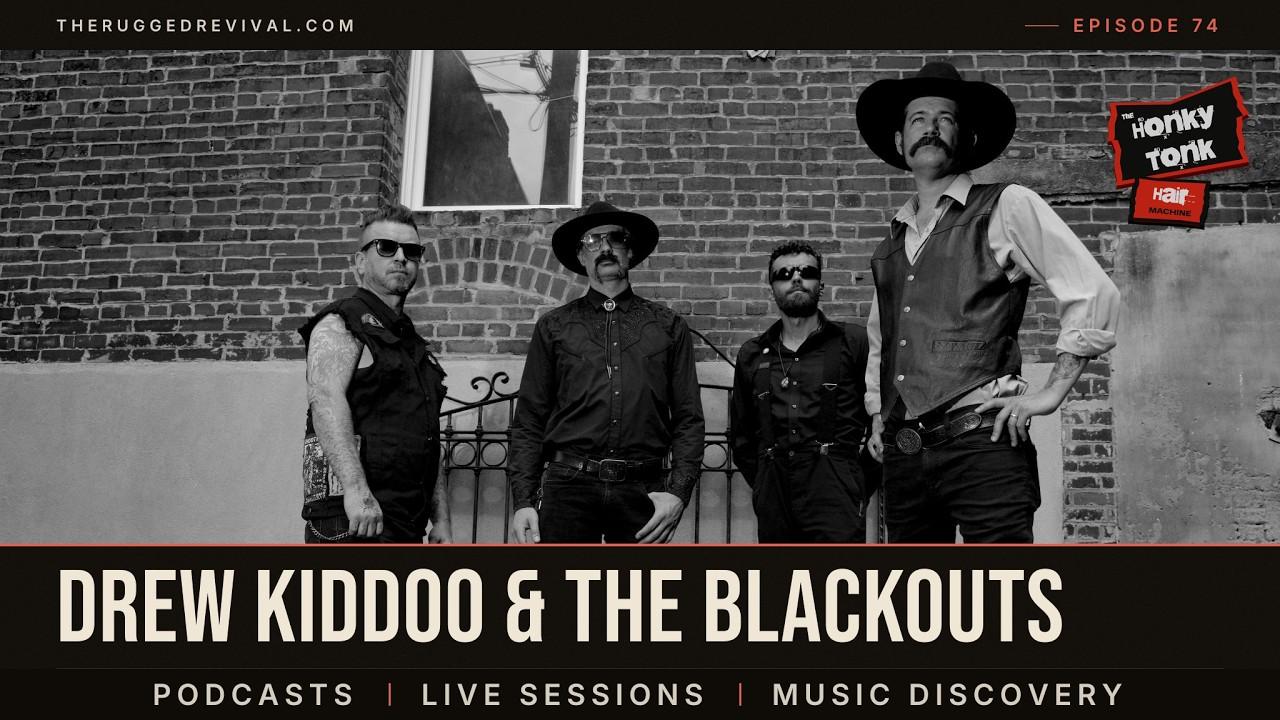
Drew Kiddoo
Digging Graves, Not Playing Covers | Drew Kiddoo & The Blackouts
A spray-painted black bus, a taste for the macabre, and absolutely no interest in playing by the rules. Camden sits down with Drew Kiddoo of The Blackouts to talk gothic honky-tonk, life on the road, his unlikely journey from Long Beach rap to Western goth, and the uphill battle of keeping original music alive. No covers - No compromise - Just damn good music! CHAPTERS 00:00 Tour Stories, Desert Five Spot & the Country Scene 03:51 Why Drew Refuses to Play Covers 06:08 Haircuts, Chaos & Meet The Blackouts 10:10 From Long Beach Rap to Honky-Tonk 13:06 Western Goth & the Darker Side of Country 15:03 The Night Drew Met Marilyn Manson 16:46 Chelsea Wolfe, Orville Peck & Dark Influences 19:10 The Reality of Being Forever 'Up-and-Coming' 22:55 Lead Belly, Nirvana & the Power of Original Music 26:16 Tupac, Hip-Hop & Drew's Long Beach Roots 30:14 Long Beach: A Melting Pot of Music 32:29 Diggin' My Own Graveyard: Behind the Music Video 35:38 Self-Doubt, Creativity & Keeping the Dream Alive 37:02 One Life, No Regrets: Drew's Advice 37:59 The New Release, Where to Find the Band & Final Words Subscribe to The Rugged Revival. Share it with your friends. Support independent music! Listen to the full podcast on Spotify: https://open.spotify.com/show/6wnHcgA73o1aiiKaz882vH?si=30aabdaa220a4628 Follow The Rugged Revival: Instagram: https://www.instagram.com/theruggedrevival/ TikTok: https://www.tiktok.com/@theruggedrevival Facebook: https://www.facebook.com/profile.php?id=100094507520679 Website: www.theruggedrevival.com Email: ruggedrevival@hotmail.com
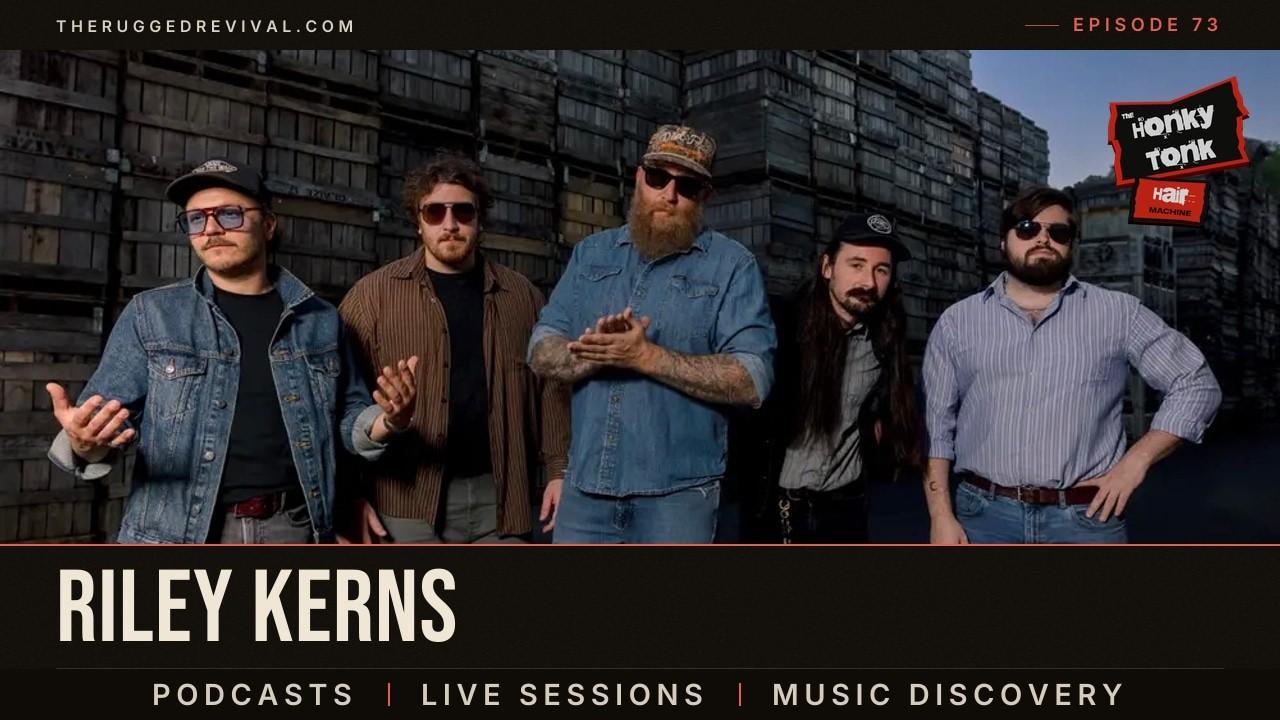
Riley Kerns
Country Music Has Bills to Pay! | Riley Kerns of Low Water
Country music has bills to pay and Riley Kerns knows all about it! Drummer, singer and all-round musical Swiss Army knife for Low Water, Riley joins Cam to talk about life behind the kit and everything it takes to keep the music going when the stage lights go out. From reggae bands and painting jobs to sweaty tour vans, onstage mishaps and the art of keeping a band together, this one's a look at the less glamorous side of chasing the honky-tonk dream. Plus, 20 new songs in six months? Sounds like Low Water have something brewing. CHAPTERS 00:00 – Meet Riley Kerns: Small-Town Virginia Roots 03:40 – From Childhood Drummer to Reggae Bands 05:57 – Touring, Side Hustles & Paying the Bills 09:17 – Singing Behind the Kit & the Challenges of Playing Live 12:58 – Surviving the Road: Drum Keys, Wipes & Three Shirts 15:31 – Stage Style & the Story Behind the Sunglasses 17:27 – Musical Influences: Sublime, The Beatles & Beyond 19:15 – What Every New Band Needs to Know 22:18 – What's Next for Low Water? 20 New Songs Subscribe to The Rugged Revival. Share it with your friends. Support independent music! Listen to the full podcast on Spotify: https://open.spotify.com/show/6wnHcgA73o1aiiKaz882vH?si=30aabdaa220a4628 Follow The Rugged Revival: Instagram: https://www.instagram.com/theruggedrevival/ TikTok: https://www.tiktok.com/@theruggedrevival Facebook: https://www.facebook.com/profile.php?id=100094507520679 Website: www.theruggedrevival.com Email: ruggedrevival@hotmail.com
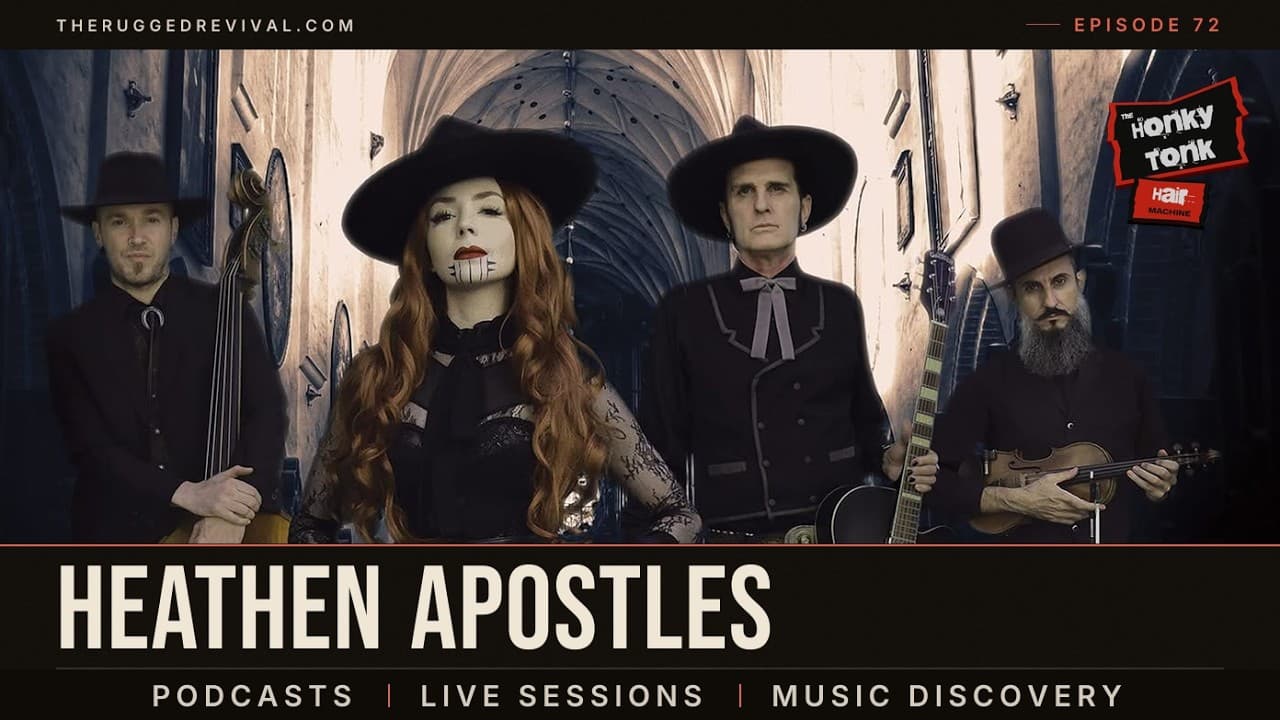
Heathen Apostles
Bloodgrass, Big Hats & Badassery | Heathen Apostles
Big hats. Dark Americana. And one golden rule... never shave drunk! Cam sits down with Mather and Chopper of Heathen Apostles to talk punk rock roots, life on the road, outrageous Western hats and what it really means to be Western Goth. From backstage survival tricks to the films, books and bands that shaped their sound. Discover Heathen Apostles: https://heathenapostles.com/ CHAPTERS 00:00 – Meet the Heathen Apostles 01:34 – How it all started & touring Europe 02:35 – Guitars, banjos & finding their sound 04:39 – The challenges of performing live 07:05 – Big hats, custom style & authenticity 09:39 – Road essentials, vocal care & grooming secrets 12:49 – What exactly is Western Goth? 15:28 – The films, music & books behind the aesthetic 19:15 – Where to find Heathen Apostles Subscribe to The Rugged Revival. Share it with your friends. Support independent music! Listen to the full podcast on Spotify: https://open.spotify.com/show/6wnHcgA73o1aiiKaz882vH?si=30aabdaa220a4628 Follow The Rugged Revival: Instagram: https://www.instagram.com/theruggedrevival/ TikTok: https://www.tiktok.com/@theruggedrevival Facebook: https://www.facebook.com/profile.php?id=100094507520679 Website: www.theruggedrevival.com Email: ruggedrevival@hotmail.com
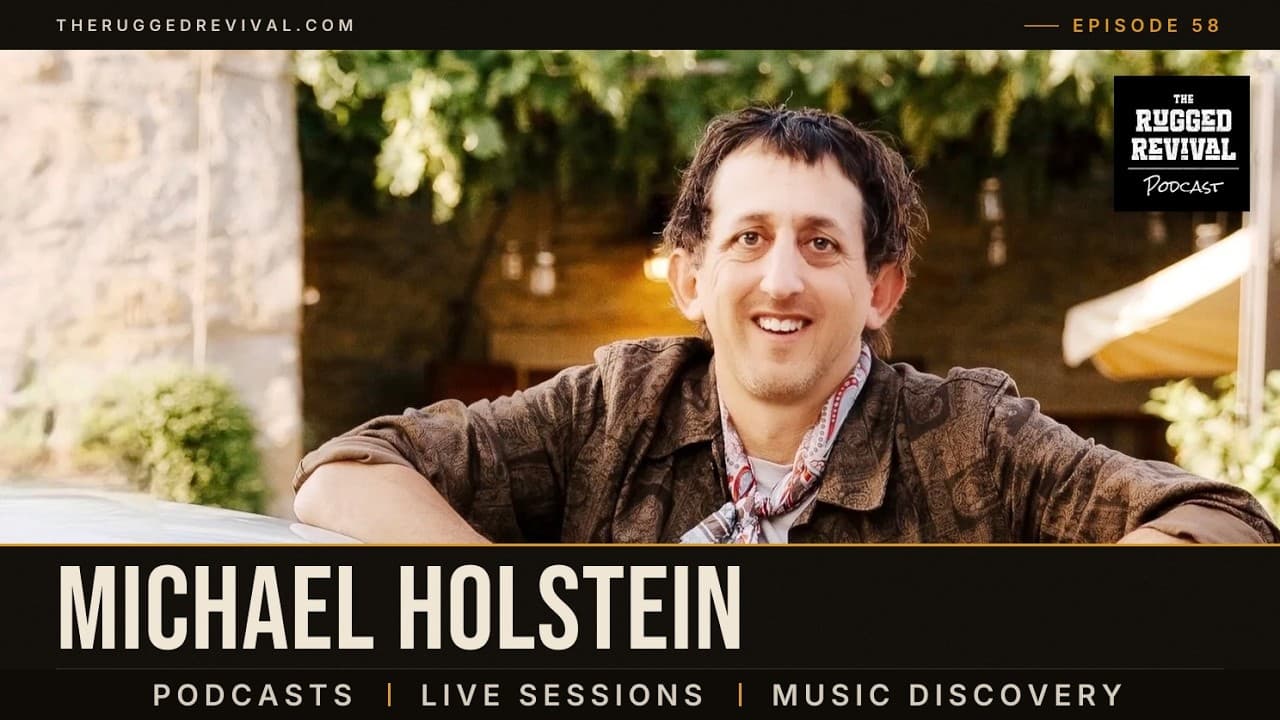
Michael Holstein
Where the Mountains Sing: A Love Letter to Appalachia | Michael Holstein
Deep in the mountains of Kentucky, Laurel Cove is more than a music festival. It's a celebration of music, community and the people of Appalachia. In this episode of Rugged Revival, we're joined by Michael Holstein, an award-winning filmmaker, director and producer with over 20 years of experience in television, film and music. His impressive career includes productions such as PBS's "In Performance at the White House", "Live at 9:30" and "An Opry Salute to Ray Charles". Michael joins Terry and Lance Rogers to discuss his upcoming documentary, "Where the Mountains Sing", which tells the story of Kentucky's remarkable Laurel Cove Music Festival and the people who make it so special. From the musicians and organisers to the fans and local community, Michael explains why this is about far more than music. It's a love letter to Appalachia, celebrating its people, traditions, authenticity and the extraordinary sense of belonging that brings them together. Discover the documentary: https://wherethemountainssing.com/ Chapters 00:00 Introduction: Michael Holstein & Where the Mountains Sing 01:12 Manchester City, Oasis & Football Rivalries 04:31 Michael's Background & Early Life 06:46 NASCAR, Racing & Discovering a Hidden Talent 11:34 Why Small-Town Music Festivals Are So Special 13:28 From College Dropout to Filmmaker 20:56 From Law to PBS & the White House Concerts 25:58 A Private Beatles Concert with Paul McCartney 31:26 The Television Show That Went Disastrously Wrong 34:26 How Cole Chaney Introduced Michael to Laurel Cove 37:24 Challenging the Stereotypes of Appalachia 39:04 Bringing Where the Mountains Sing to Life 43:20 Laurel Cove's Impact on Bell County & Kentucky Music 50:44 Why the Documentary Is Really About the People 53:08 The Trailer, Release Plans & Stories Left Untold 57:20 Authentic Music, Artists & Appalachian Identity 61:48 Nashville, Commercial Success & Staying True to Your Roots 66:36 Giving Back: Appalachian Charities, Education & Amazon Prime 71:58 Film Premieres, Future Plans & Final Thoughts Subscribe to The Rugged Revival. Share it with your friends. Support independent music! Listen to the full podcast on Spotify: https://open.spotify.com/show/6wnHcgA73o1aiiKaz882vH?si=30aabdaa220a4628 Follow The Rugged Revival: Instagram: https://www.instagram.com/theruggedrevival/ TikTok: https://www.tiktok.com/@theruggedrevival Facebook: https://www.facebook.com/profile.php?id=100094507520679 Website: www.theruggedrevival.com Email: ruggedrevival@hotmail.com